Everyone wants to know the shortcut to making it as a recording artist. There isn't one — but there is a clear starting checklist that separates people who actually release music from people who talk about it. Here's where to start.
Post consistently, be yourself rather than "on-brand," and don't wait until you have a song out to start showing up. An audience that's been watching you for months converts a lot better on release day than one you're building from zero.
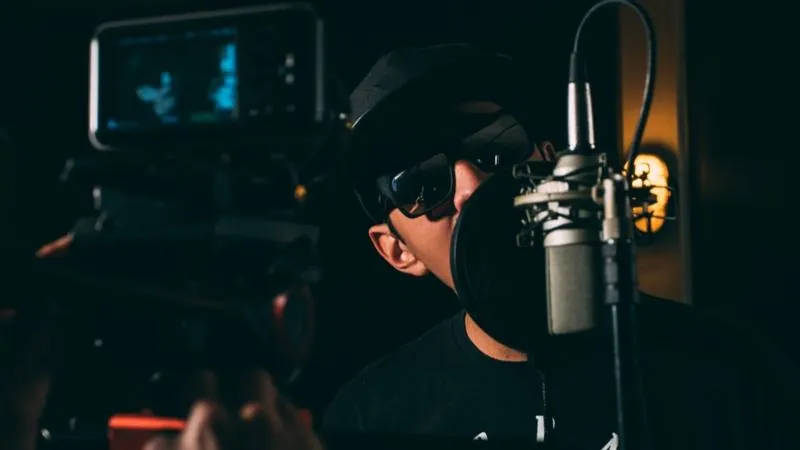
You don't need a studio to start. A decent USB microphone, closed-back headphones, and a DAW (FL Studio, Pro Tools and Ableton are the most common) will get a professional-sounding vocal recorded at home. What you do need is quality instrumentals — recording a great verse over a weak beat undercuts everything else, which is exactly why sourcing solid beats for artists from a real catalog matters this early.
Other artists, producers and engineers you connect with early tend to matter more long-term than raw follower counts. Collaboration compounds — one feature or shout-out from someone slightly ahead of you can move faster than months of solo posting.
SoundCloud and YouTube remain the easiest places to post music without needing a formal release — plenty of major artists built their earliest following there before ever hitting streaming platforms. Link every profile back to each other so a new listener can find everything in one click.
Natural ability gets you in the door; repetition is what makes you good. Treat writing and recording sessions like practice, not just content production — the artists with a clear, recognizable style got there by making a lot of music, not by waiting for the "right" one.
Once you're ready to actually put a song out, make sure the instrumental is properly licensed for distribution — check our exclusive vs. non-exclusive guide before you upload anything to Spotify or Apple Music.
Ready to record your first real song? Start with a beat that's actually built for release.
Browse Beats for Artists